
Jesse Lingard to Play with "JLINGZ" Printed on His Shirt?

New Nottingham Forest player Jesse Lingard has asked his followers on Twitter if they prefer his surname, Lingard, or his nickname "JLingz" on the back of his shirt. He may not actually be considering using the nickname, but would the Premier League even allow him to make the change?

Lingard to Wear JLingz on His Shirt?
Jesse Lingard has played ten seasons of professional football, and like most players, he has done so wearing his surname above his squad number on his jersey. About to start his eleventh season, it appears he is considering changing things up by having his seemingly self-given nickname, "JLingz", in its place.
Making myself at home 🏟 which name does you prefer? #Jlingz #nottinghamforest pic.twitter.com/Diy7lgsNPx
— Jesse Lingard (@JesseLingard) July 22, 2022
Premier League rules allow players to have their first name or surname on the back of their shirts, with a few notable players such as Virgil Van Dijk, Memphis Depay and Dele Alli opting for the former. For these players, the reason is that they don't want to be associated with their surname due to complicated family histories, which is perfectly reasonable.

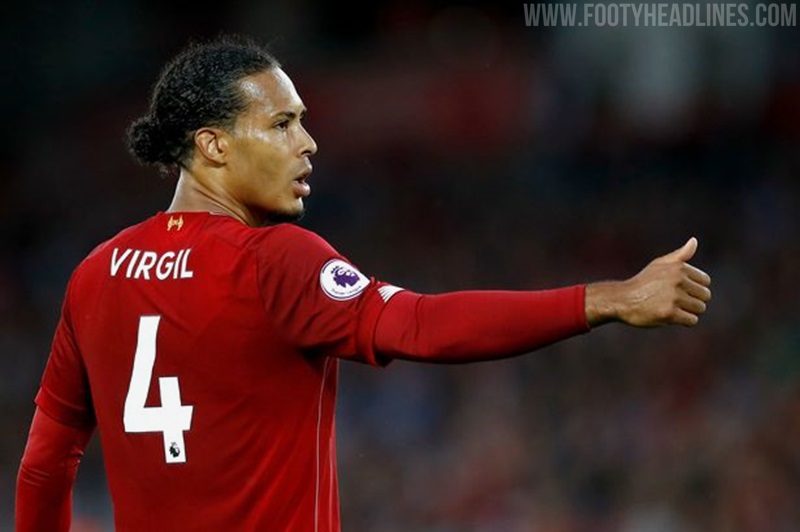
Clubs and players can make requests for alternative names or nicknames to be used on shirts, with the Premier League then deciding whether to permit the changes or not. Former Manchester United and West Ham forward Javier Hernandez is perhaps the most well-known example of this, having worn his "Chicharito" nickname - meaning "Little Pea" - all throughout his career. As he had been wearing it in Mexico prior to moving to the England, Hernandez was allowed to carry it over, as was Sergio "Kun" Aguero when he joined Man City.

Aguero has had his nickname since childhood (it stems from his resemblance to a cartoon character who he loved), while the same is true for Hernandez, who inherited it from his father. "JLingz" is the name of Lingard's personal clothing brand and is also his social media handle. Apart from Lingard himself, nobody else seems to refer to him as "JLingz".

Given the name's attachment to his clothing brand, as well as the fact that the proposed change is being made on a whim with no solid reason apparent for ditching his surname, it seems unlikely that the Premier League would approve of the the switch. Cesc Fabregas was apparently denied permission to switch to his shortened first name Cesc, despite using it with the Spanish national team, so it would be a shock if we ever see a JLingz shirt grace a Premier League pitch.

All of that said, Lingard may just have posted the photos for fun without any actual intention of trying to wear his nickname on his shirt in matches. The Englishman is a divisive character and receives a lot of criticism for his social media presence and his off-pitch antics, and although he doesn't always help himself, the negative press he receives can sometimes be a bit over the top.

Either way, that tweet alone will be enough to rile up plenty of commentators, pundits and fans alike, which could well have been his main intention when he made the post.
Do you think Lingard should be allowed to wear JLingz on his shirt? Comment below.


Concept: What If World Cup Winners Wore Special Badges on Club Kits?
A creative concept visualized by Bleacher Report has sparked discussion among kit enthusiasts, posing an intriguing question: what if players who have won the FIFA World Cup were allowed to wear a special champion badge on their club kits? Under current FIFA equipment regulations, only reigning national team champions and Club World Cup winners are permitted to sport the official FIFA Champions Badge, but bringing an individual achievement patch to the club stage introduces a bold twist to modern shirt details.
The mockups feature World Cup winners wearing a sleek, gold trophy silhouette on their kit sleeves stamped with the year of their international triumph. The concept envisions players like Lionel Messi donning a 2022 patch on his Inter Miami shirt, Kylian Mbappé carrying a 2018 badge in Real Madrid white, and Rodri sporting a 2026 mark. It serves as an immediate visual marker of football's ultimate honor, staying with the player regardless of their club transfers.
In reality, domestic leagues and confederations enforce strict uniform guidelines that limit sleeve real estate almost entirely to league badges, sleeve sponsors, and charitable campaign logos. While regulatory hurdles make such a badge virtually impossible in professional football, the visualization offers a clean and compelling look at how personal legacy could be integrated into club kits.


Inter Milan 26-27 Third Kit Debuted
Inter Milan officially debuted their new Nike 26-27 third kit on the pitch during a dramatic 5-3 Serie A comeback victory against Udinese at the San Siro, just hours after its official unveiling.
Taking inspiration from the Nerazzurri's iconic look from the late 1990s, notably referencing the 1997-98 and 1998-99 shirts. the new third kit is built on a stone-grey 'Iron Ore' base featuring a subtle tonal jacquard pattern. The centerpiece of the design is a prominent black horizontal chest band accented by a thin 'Blue Spark' lower stripe. Bright 'Speed Yellow' details are applied to the Swoosh, the two-starred club crest, the Betsson.sport sponsor, and retro-styled 1990s font names and numbers.


Adidas Croatia 2026-27 Home & Away Kits Leaked - 4 Real Images
Vietnamese kit expert jerseyreview has leaked 4 new real images of the new Adidas Croatia 2026-27 home & away kits, which will be released soon.
The new Adidas Croatia 2026-27 home kit retains the traditional red and white checkerboard pattern but incorporates ancient Glagolitic script graphics into the red squares, symbolizing Croatian cultural identity.
The new Adidas Croatia 2026-27 away kit features lace-inspired graphics, drawing from Croatia's rich tradition of intricate lace-making.


